Borderline
A.I. Is Not A Bubble


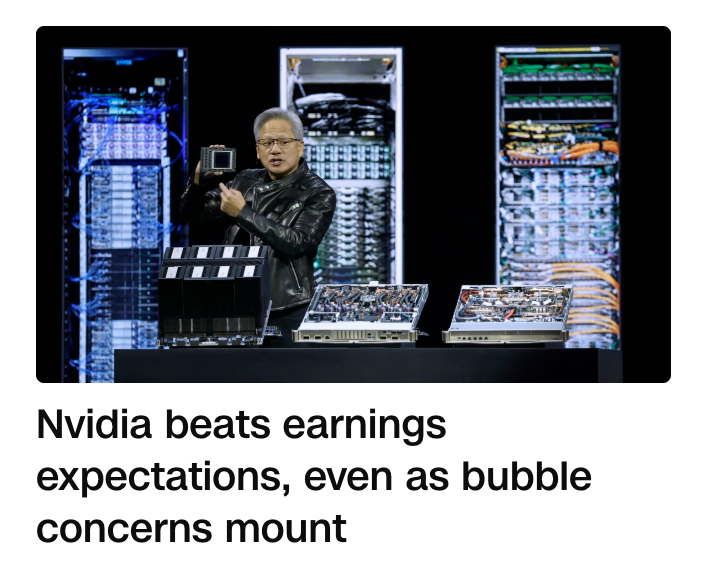
Bubble Bubble?
Bubble Bubble?
Bubble
Bubble?
○ o O
° o
o o ○ o O
° o ○ o O
° o
o
We’re on the borderline
Dangerously fine and unforgiving
Possibly a sign
I’m gonna have the strangest night on Sunday
-Tame Impala
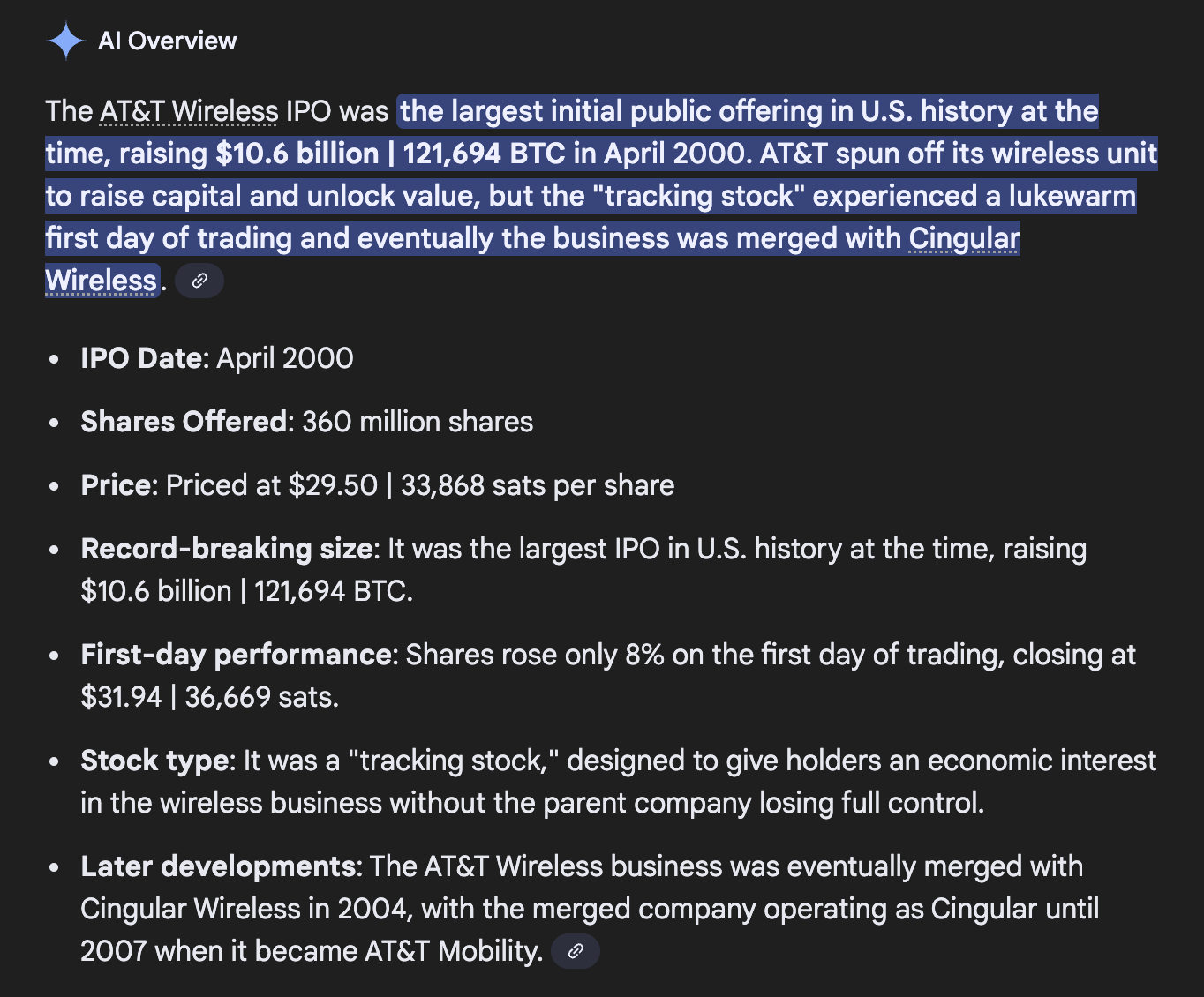
In 1999, I accepted a job at AT&T, led by the dot-com bubble’s Chief Expansionist, this guy:




Penultimate Bosses: both went to prison. (I didn't work for them)
What do you get when you combine a Big Spender with a Short-order Cook?
Lots of expensive things that don’t necessarily go together.
Fiber in the cloud is not the same as fiber in the ground.
In 1999, AT&T acquired TCI (Tele-Communications Inc.) for ~$48 billion, TCG (Teleport Communications Group) for $11.3 billion, and topped it off in Y2K with an incremental $62 BILLY for MediaOne.
$100 Billion + 🤦🏻♀️
The ambition was to become the dominant broadband and cable player, integrating content and “last mile” access. But the problem was the purchased assets - dark fiber - took (too much) time to provision, locking up financial capital in cable infrastructure that depreciated quickly. New technology emerged and left the company behind - to a degree. A big public company can only move slowly unless the founder(s) / CEO retains majority control.
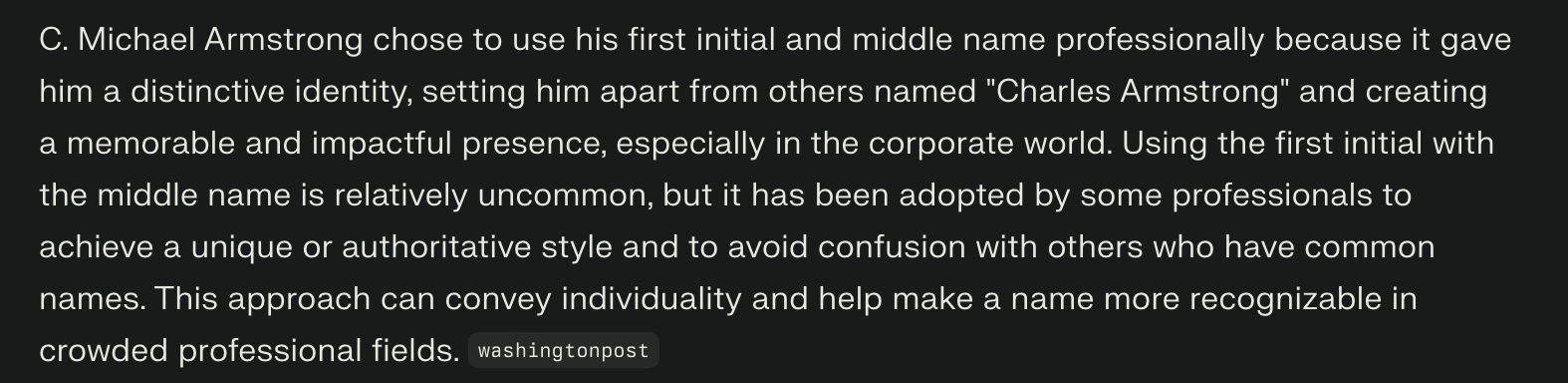
Side note: AT&T’s main competitors were led by fraudelent CEOs who went on to serve time in prison. Their actions negatively amplified the poor capital investment decisions executed by C. Michael . The insider economics of this period in Corporate America led to Regulation FD a seminal change in how numbers are reported to The Street.
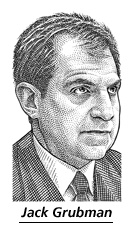
Epilogue: AT&T was saved by this guy 👇🏽, one of the most accomplished corporate CFOs in history. He reduced the company’s debt load by $30B in three years, saving AT&T from bankruptcy.

My claim to fame is asking Mr. Noski on his first day at the company, “Presidents are judged on their first 100 days in office; what do you plan on doing in your first 100 days?”. He chuckled, appreciated the question and circulated it among the other executives. I was “T famous” for a few hours. I can’t remember what he said, but he went on to save the company.

Today’s “A.I. Bubble” Is Not Like Us 1999
Have a look at the 10 concepts below …
Dot-com era
- Capital was poured into assets (fiber, data centers, pets.com inventory) that were slow to provision, hard to repurpose, and sticky in their economics.
- When demand didn’t materialize, we were stuck with stranded assets - literal “dark fiber” that sat idle for years.
- The “bubble” label fit because
capital was locked up, and the unwind was glacial. The pain was slow, but the scars were deep (trust me I know).
Today’s AI Infrastructure
- Compute, storage, and even talent are
far more liquid. GPUs can be reallocated, leased, or resoldin months. Data centers can pivot workloads. Cloud contracts can be restructured. Price signals are immediate: GPU spot prices, cloud utilization rates, and even secondary markets for used hardwarereact in real-time.- The “bubble”, if it comes, will be fast and visible. There’s no “lost decade” of waiting for demand to catch up. Companies that over-spend/build will be punished by next quarter.
Flash Cycle

- The AI buildout is characterized by rapid capital deployment, fast provisioning, and equally rapid feedback loops.
- When there is a sudden downdraft, prices and utilization will collapse, but then they should recover quickly as new use cases emerge.
Reflexive Overbuild
- The market is reflexive: signaling (Veblen goods, “owning the stack”) drives investment, which drives more signaling, which can overshoot. But the correction is self-limiting and fast.
- The “overbuild” is not waste; it’s optionality. The current “AI/crypto economic impetus” is designed to absorb shocks and reallocate resources.
Risks
Too much debt is layered on and the feedback loop is faster than the system’ s ability to self-correct. Truthfully, nobody knows if/when this might happen → Black Swan. The other risk, better characterized as an eventuality: many people will lose their current jobs and will have to reinvent themselves.
If you are reading this and worried, feel free to DM me. This is a wonderful opportunity for you and a lucky time in human history for all of us to be alive.